
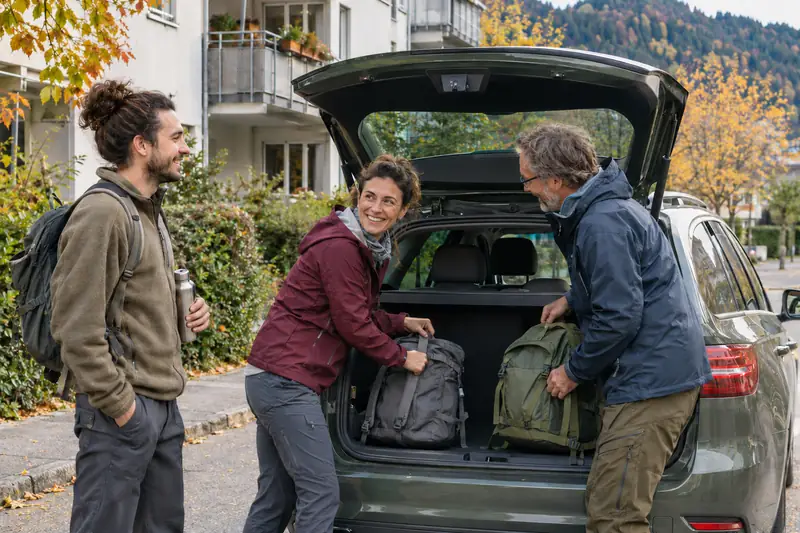
In Belgium, camper van sharing means renting a motorhome or a converted van directly from a private owner, normally through an online platform that manages the booking, the payment and the insurance. It is popular with families and couples who want flexible trips without buying a vehicle. Owners set the rules for mileage, deposit and equipment, while platforms provide the framework for cover and cancellation. Because Belgium is small and well connected to neighbouring countries, many rentals combine local trips with journeys to France, the Netherlands, Germany or Luxembourg.
How camper van sharing in Belgium works
Camper van sharing in Belgium typically starts on a platform where you filter by region, dates, number of beds and vehicle type. You send a request or book instantly, pay online and receive the owner's details. The hand-over is usually at the owner's address, often in Flanders, Wallonia or the Brussels region.
- Read the listing carefully, including house rules and forbidden activities.
- Check the language spoken by the owner, as it can be Dutch, French, German or English.
- Agree on the exact time of pick-up and return.
- Prepare identity documents and your driving licence.
A call or message before the booking helps you judge the owner and ask questions about the vehicle, the equipment and the trips it is suitable for.
What it costs
The price depends on the size of the vehicle, the season and the length of the rental. Summer holidays cost the most. Many owners offer weekly or monthly prices, while a few set a minimum number of nights. The platform may add a service fee to the price.
- Check the daily mileage allowance and the cost of extra kilometres.
- Check who pays for fuel, gas and cleaning.
- Ask about deposits and how they are returned.
- Add the cost of campsites, tolls and ferries when you plan your budget.
Compare vehicles of the same size to avoid being misled by a low headline price. A slightly higher daily rate may include equipment that you would otherwise have to buy or rent separately.
Driving licence, size and road rules
In Belgium, a standard category B licence allows you to drive vehicles up to 3.5 tonnes, which covers most camper vans. Larger motorhomes need a different licence category. Always read the maximum weight on the registration papers.
- Drive on the right and respect the speed limits, which depend on the type of road and vehicle.
- Many cities have low-emission zones, such as in Brussels, Antwerp and Ghent, with rules based on the vehicle's emission standard.
- Check whether the vehicle is allowed to enter the zone you plan to visit.
Take care with the height and width of the vehicle on narrow village streets and old city centres. A route planner for campers can help avoid unsuitable roads.
Insurance for private motorhome rental
Check what the platform insures and what the owner's own policy covers. In peer-to-peer rental, the platform often provides a dedicated policy with third-party liability, damage cover and assistance, subject to an excess.
- Ask for the policy document and read the exclusions.
- Check whether the cover applies in other countries.
- Understand the procedure to follow after an accident or breakdown.
- Know how long the repair process may take and whether a replacement is offered.
Write down the mileage and photograph the vehicle at hand-over. You may be responsible for new damage found at return, so having clear evidence of the starting condition protects you.
Where to stay overnight
Belgium has many campsites, particularly in the Ardennes, along the coast and in Flanders, and motorhome areas with water and electricity are found in several towns. Wild camping is generally restricted, and local rules differ between municipalities and natural areas.
- Use official camper areas or campsites for overnight stays.
- Check local signs about parking time and restrictions.
- Book in advance during school holidays and long weekends.
- Dispose of waste water only at designated points.
The coast is busy in summer, so arrive early and be prepared for height barriers in car parks. The Ardennes offer quieter options with forests and rivers, but check the availability of services before you travel.
Trips from Belgium to neighbouring countries
Many renters use Belgian camper vans to explore France, Luxembourg, the Netherlands or Germany. Check that the owner allows trips abroad and that the insurance remains valid in these countries.
- Ask whether additional documents, such as a green card, are needed.
- Check low-emission zone rules in cities you plan to visit abroad.
- Look at toll systems and any vignettes required on your route.
- Prepare for different rules for camping and motorhome parking.
A short list of emergency numbers and the platform's helpline in your phone is useful. If you cross borders often, a map app with offline maps can help in areas with poor signal.
Hand-over, return and deposit
At hand-over, go through the vehicle with the owner and fill in the condition report. Test the main systems, record the fuel level and mileage and take photos. At return, expect the same process.
- Empty the toilet and the waste water tank if required.
- Clean the interior and exterior reasonably.
- Refill the fuel and gas as agreed.
- Return the vehicle on time.
The deposit is normally returned after the check. If there is a disagreement, contact the platform with your photos and messages. Calm, factual communication usually solves minor issues quickly, and good reviews benefit both renter and owner.
Practical advice for first-time renters
If this is your first motorhome trip, choose a smaller van and a short itinerary. Ask the owner for advice about the vehicle's quirks, such as how long the heating takes or how to level the van.
- Pack light and avoid overloading.
- Download offline maps and campsite lists.
- Keep a flashlight, basic tools and a spare fuse.
- Check the weather and plan alternatives in case of storms.
Remember that camper van holidays are slow by nature. Leave time for stops, and enjoy the flexibility that makes this way of travelling attractive in the first place.
Who it suits and when to book
Camper van sharing suits couples, families and friends who want flexible trips and different landscapes in a short time. It is also practical for people who wish to try motorhome travel before deciding whether to buy.
- Reserve early for summer and bank holidays.
- Look at short breaks in spring and autumn, when prices are often lower.
- Check the number of seats with belts, not only the number of beds.
Be realistic about vehicle size. A small van is easier on narrow Belgian village streets and in towns, while larger motorhomes give more comfort for longer trips but require more care with parking and height restrictions.
Camper van sharing organisations in Belgium
- Yescapa : A peer-to-peer platform for renting motorhomes and camper vans from private owners in Belgium.
- Goboony : A camper van sharing platform with vehicles in Belgium and neighbouring countries.
- Camptoo : A marketplace for renting motorhomes, vans and caravans between individuals.
- Paulcamper : A platform for renting private camper vans with insurance included.
Further reading
- Touring : A Belgian mobility organisation with travel information, assistance and advice for drivers.