
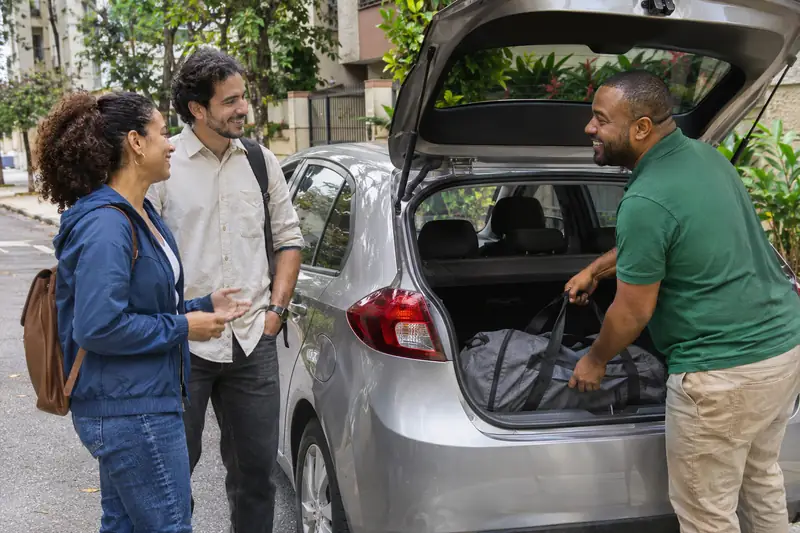
In Belgium, food truck sharing means renting or sharing a fully equipped food truck with its owner or a rental company, so that a professional can sell meals at markets, festivals or private events without buying a vehicle. It is useful for testing a concept, covering busy periods or saving costs. The renter must handle registration, food safety, permits and insurance, which are regulated by authorities and differ between regions and municipalities. A written contract and a thorough check of the truck are essential for a safe and profitable start.
How food truck sharing in Belgium works
Rental can be arranged directly with a truck owner or through a company. A truck may be rented by the day for an event, by the week for a short season or for several months for a pilot project.
- Agree on the dates, place and purpose of use.
- Check the equipment and whether it matches your menu.
- Say who supplies gas, water and fuel for the generator.
- Clarify cleaning duties and the condition at return.
Belgium has an active street food scene, with festivals and markets in Brussels, Antwerp, Ghent and many smaller towns. Visiting events beforehand helps you understand the audience, the price level and the competition before you rent a truck.
Costs to plan for
The rental fee is only part of the budget. You also need to count ingredients, staff, pitch fees, fuel, gas, insurance and waste disposal. Prices differ widely depending on the truck and the equipment.
- Ask the owner about the deposit and its refund.
- Check whether the price includes cleaning or only the vehicle.
- Clarify who pays for repairs due to normal wear.
- Estimate your break-even point in daily sales.
Compare rental with other solutions, such as a market stall, a pop-up kitchen or a shared professional kitchen. A rented truck makes sense when mobility is a key part of your concept and when your days of activity are limited and clearly planned.
Remember that rent, insurance and permits are fixed costs, whereas ingredients and packaging rise and fall with the number of meals you sell.
Food safety and registration
Food businesses in Belgium must be registered with the competent food safety authority and follow hygiene rules, including traceability and temperature control. Mobile businesses have specific requirements for water supply, waste water and storage.
- Check the business registration and the correct activity code.
- Follow the hygiene guide for the sector.
- Keep records of temperatures, cleaning and suppliers.
- Label allergens clearly for customers.
Rules may differ slightly between regions, so ask the local authorities or a professional organisation about the current procedure. Ask the truck owner whether the vehicle has already been used for food sales and whether any documents can be passed on to you.
Belgian food safety rules also expect you to keep a record of your suppliers, so store invoices and delivery notes in a folder inside the truck.
Where you can trade
Selling food from a truck on public ground usually requires permission from the municipality. Private events require the agreement of the organiser. Many Belgian towns host food truck festivals and weekly markets with their own application procedures.
- Apply early for popular events.
- Check pitch fees, power supply and waste rules.
- Learn the rules about noise and opening hours.
- Keep your permits visible in the truck.
Cities may restrict traffic in some areas, especially low-emission zones, so make sure the truck can enter your chosen location. If you plan to move between regions, check the rules for each place in advance.
Insurance and liability
Make sure both the vehicle and your business activity are insured. The owner's policy might not cover commercial use by a renter. You will need professional liability insurance and, if employees work in the truck, appropriate cover for them.
- Ask which risks the vehicle insurance includes.
- Check coverage for fire, gas and theft of equipment.
- Clarify who pays the excess after a claim.
- Keep documents in the truck.
Take photos of the vehicle and equipment before and after the rental. Write down defects together. This habit prevents most disputes and is valuable if an insurer asks for evidence.
Ask your insurer whether events abroad, for instance in the Netherlands or Germany, are covered under the same policy.
Contract and inventory
A clear contract sets out the rights and duties of both sides. It should mention price, period, deposit, equipment, mileage, insurance and the procedure in case of breakdown.
- Attach a signed inventory with photos.
- Define who is responsible for fines and parking tickets.
- State the rules on subletting or lending the truck to others.
- Agree on notice periods for cancellation.
If the owner supplies access to events or a pitch, put this in writing. Check whether the truck is allowed to travel to other countries if you plan to work at events across the border.
Keep a copy for yourself in the truck and a digital copy in your email.
Choosing equipment and layout
Think about your menu and the flow of work. A small kitchen needs a logical layout, with preparation, cooking and service close together. Check the size of the serving hatch, the storage space and the power supply.
- Check fridges, freezers, extraction and fire extinguishers.
- Ask about generator power and noise levels.
- Test gas connections with the owner.
- Make sure you can drive the vehicle with your licence category.
A truck that is too large can be hard to park at some events, while one that is too small limits the menu. Match the truck to your concept and the type of events you plan to attend.
Ask the owner to run the equipment in front of you, with the extraction and the fridges working, so that you can judge temperature, noise and smells. Check that the floor is easy to clean and that the serving hatch closes properly.
Getting started step by step
Begin with a test: rent a truck for a single event, record sales, costs and feedback, and then decide how to continue. Keep your menu short and easy to prepare.
- Choose an event with a suitable audience.
- Prepare stock and staff for peak hours.
- Keep a checklist for opening and closing procedures.
- Collect customer comments and adjust your offer.
With a good record of your first days, you can negotiate better rental terms, apply for more events or approach a bank with realistic figures if you decide to buy your own truck later.
Keep a simple daily record of weather, customers and best-selling dishes. After a few events, patterns appear and help you decide where to trade next.
Food truck sharing organisations in Belgium
- 2dehands / 2ememain : A Belgian classifieds site where trucks and equipment are offered for sale or rental by individuals and businesses.
- Loxam : A rental company with agencies in Belgium for equipment and vehicles.
- UNIZO : A Belgian organisation for independent entrepreneurs, with advice for starters.
- UCM : A Belgian organisation supporting independent business owners, particularly in French-speaking regions.
Further reading
- Visit Flanders : The tourism site for Flanders, with information on events and food festivals.