
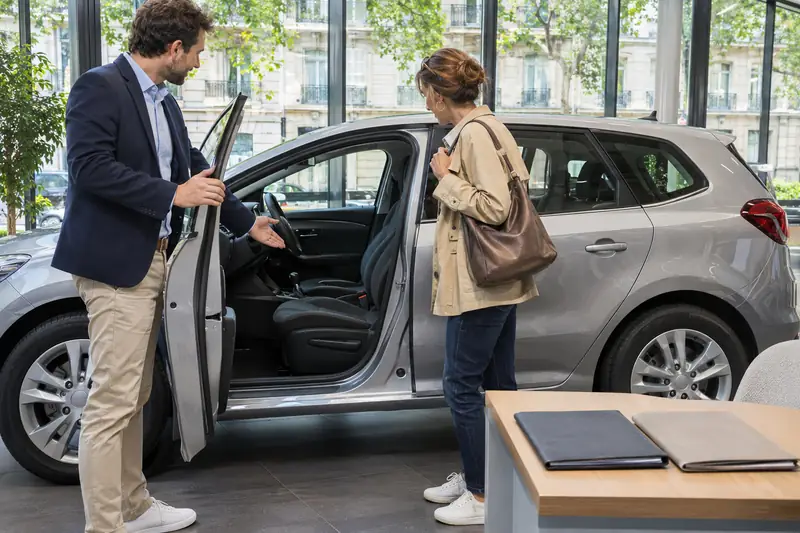
In Hamburg, a monthly car subscription is a rental formula where a single payment each month covers the car, insurance, vehicle tax and servicing, with no purchase and no loan. Terms are generally flexible, from one month up to two years, and the car is delivered to your door or to a pick-up point. It is a practical choice for people who arrive in the city for a job, for households that use a car only at weekends and for anyone who wants to test an electric model.
Living with a car in Hamburg
Hamburg has a strong public transport network with trains, buses and ferries on the Elbe, and many residents commute by bicycle or train. Yet the city is spread out, and districts on the edge, the Elbe islands and the regions to the north and south are easier to reach by car.
The port, the airport and the large warehouse and industrial areas also generate heavy traffic. People who work shifts, deliver goods or visit clients across the region may find a car necessary. A monthly subscription gives that access without the costs of buying and maintaining a vehicle.
If you live in an inner district, check carefully how often you would really drive, since a subscription fee is paid even when the car is parked, and parking itself can add up.
What the fee covers and what it leaves out
As in other German cities, the fee normally includes the car, insurance, vehicle tax, maintenance, repairs for normal wear and assistance. Delivery within the city is sometimes free.
- Left out: fuel or charging, parking, tolls and fines.
- Capped: monthly or annual kilometres.
- Variable: the excess for damage and the charge for extra drivers.
- Possible: a deposit paid at the start and refunded after inspection.
Ask about the rules for driving to Denmark, since many Hamburg residents head north for weekends. Contracts may allow neighbouring countries, but they sometimes require notice or limit the number of days.
Ask also about winter conditions: salt on the roads and frequent rain make good tyres and brakes important, and some providers swap tyres for free in autumn and spring.
What a monthly car subscription in Hamburg costs
Costs depend on the vehicle class, the term and the distance. Hamburg is a high-income city, and the offers include many electric and premium models, though small cars remain the most affordable. Choose the smallest car that meets your needs to keep the fee down.
To compare, request a quotation with the same term and mileage from each provider, and ask what is charged if you return the car early. Add parking costs, which can be high in the inner districts, and check whether your employer offers a parking space or a subsidy for public transport.
Many people find that a combination of a public transport pass and occasional use of shared cars is cheaper than any monthly car plan. Test this before you commit.
Traffic, tunnels and the harbour area
The Elbe tunnel and the bridges over the river are major bottlenecks. Accidents or maintenance can cause long queues, especially during commuter peaks and holiday weekends, and the Autobahn network around the port is busy with trucks.
Plan departure times with care for the airport or for ferries and trains. Parking in the harbour area and near major event venues fills quickly on match days and during large events. Public transport is usually the better choice then.
Hamburg also has frequent rain and wind, and a car with good tyres and working wipers is important. Check the tyres at handover and ask who pays for replacements if they wear out before the end of the term.
If you drive to the Baltic coast or to Lübeck, motorway roadworks can be long, so check traffic reports before leaving, particularly on holiday weekends.
Parking permits and garages
Parts of Hamburg have residents' parking zones, where residents can apply for a permit that allows them to park near home. In most districts a permit does not guarantee a place, so many people rent a garage or a space in a shared car park.
A subscription does not provide a permit. Because the vehicle belongs to the provider, you may need a letter confirming that you use it regularly. Ask for this document when you sign, since it is often needed by the local authority.
If you live in a modern building, check if it has a space with charging equipment, which can make an electric car much more convenient. Ask your landlord or property manager what is possible before choosing the car.
Licence, age and credit checks
You need an identity document, a driving licence, a bank account and an address. European licences are valid. Others are usually valid for six months after you become resident, and then must be exchanged, depending on the country. If you arrive from outside Europe, ask the provider early.
Providers usually set a minimum age, commonly twenty-one, and may require a minimum period of driving. They check creditworthiness, often through the main German credit bureau, and sometimes ask for a deposit. People who are new to Germany may need to provide a payslip or a contract of employment.
Send clear scans and answer questions quickly, as a missing document is the most common cause of delay before delivery.
Ending the contract and returning the car
Check the length of the term and the notice period. Some subscriptions allow monthly termination after a first period, while others require a fixed term. Fees for early return differ.
When you hand back the car, an inspection compares its state with the report made at delivery. Take photographs on both dates, keep the service book and return all keys. Normal wear is accepted, while dents, scratches and damaged wheels may be charged according to a price list.
Fines for traffic offences are forwarded to you with an administrative charge, so inform the provider of any change of address, and read your messages from the company with attention.
Is it worth it for you?
A monthly car subscription is worth considering if you need a car for a short or uncertain time, or if you prefer a single predictable payment. If you rarely drive, shared cars and rentals by the day may be cheaper. If you drive daily for years, ownership could be the lower cost option.
Compare at least three offers, read the conditions on mileage and early return, and ask for the details in writing.
Remember to check the effect on your insurance record. In some offers, a claim you cause affects only the provider's cover, while in others it may raise the price of future renewals. Ask how a claim is handled before the contract starts.
It also helps to know your alternatives in the port city: a monthly pass for trains and buses, a bike for local trips and a short rental when you need a larger vehicle. Combining them can reduce the distance you need from a subscription and therefore the monthly price.
Monthly car subscription providers for Hamburg
- Sixt+ : A subscription offer from the Sixt group, with a monthly fee that includes insurance and servicing.
- FINN : A digital provider with fixed monthly prices and delivery.
- Carvolution : A subscription provider with a wide choice of models and flexible terms.
Further reading
- ADAC Hansa : The regional motoring club for Hamburg, with advice on driving, insurance and assistance.