
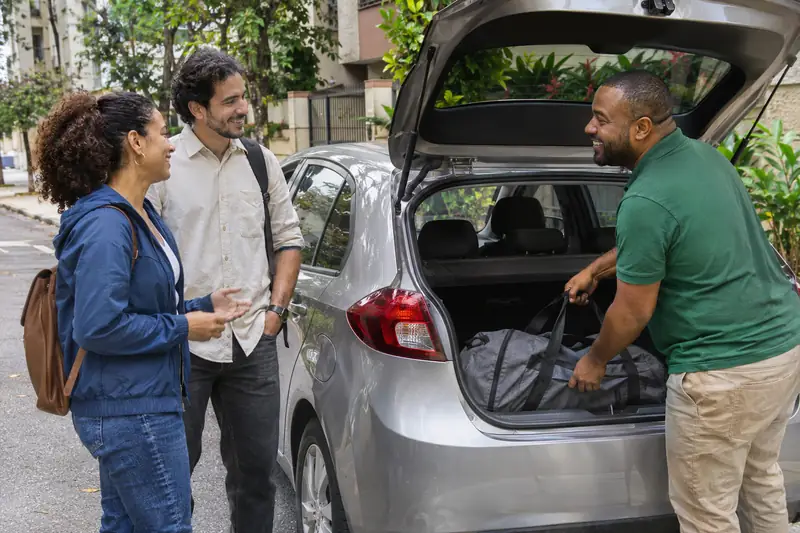
In France, food truck sharing is the rental or shared use of a fully equipped food truck by a professional, who pays for the vehicle for a day, a season or a longer period instead of buying one. It helps new cooks test a concept, covers busy periods, and lets owners earn money while the truck is idle. The renter remains responsible for hygiene rules, declarations, permits and insurance. A clear contract, an equipment check and the right authorisations are essential before you serve your first customer.
How food truck sharing in France works
Food truck sharing takes several forms. An owner may rent out an equipped truck on days when he or she is not trading, a company may offer trucks for short or seasonal use, or a group of cooks may share one vehicle on a rota. Some rentals include only the truck, others include a pitch at an event.
- Agree on the dates, hours and place of use.
- List the equipment: fryer, plancha, fridge, gas, generator and water tanks.
- Clarify who handles cleaning, maintenance and gas refills.
- Decide who pays for fuel and repairs.
A short trial run with the owner present helps you check that the equipment works and that the layout suits your menu before you commit to a longer rental.
Costs and how pricing is set
Rental prices depend on the age of the truck, the equipment, the duration and the season. Daily rental is common for events, while weekly or monthly rental suits a new concept that needs to test several locations.
- Ask about a deposit and the conditions for its return.
- Check the mileage allowance or fuel arrangement.
- Find out who pays for gas, water and electricity.
- Include costs such as pitch fees, ingredients and staff in your calculation.
Work out how many meals you must sell to cover the rental and other costs, and compare this with a realistic estimate of sales. A truck that looks cheap can become expensive if it spends many days unused, so match the rental period to your real activity.
Remember that rent, insurance and pitch fees are fixed costs, whereas ingredients and packaging change with the number of meals sold.
Hygiene rules and professional declarations
Selling food from a truck falls under the same hygiene rules as other food businesses. In France, a professional must declare the activity, respect food safety rules and be able to show that these are applied. Training in hygiene is normally required for catering businesses, and the truck must be kept clean and its equipment maintained.
- Register your business and ask the competent organisation about the correct status.
- Keep a record of fridge temperatures and cleaning.
- Label allergens as required.
- Use hot and cold holding equipment correctly.
Ask the owner for the vehicle's documents and any hygiene paperwork. If you are unsure about a rule, contact your local chamber of commerce or the local food safety office for guidance.
In France, mobile food sellers are also expected to keep suppliers' invoices and traceability documents available during inspections.
Permits and places to sell
Having a truck does not give an automatic right to trade anywhere. In France, selling on public land normally needs an authorisation from the municipality, and private land requires the owner's consent. Markets, festivals and events have their own rules and application processes.
- Apply for permissions well ahead of events.
- Check the rules on noise, waste and cooking smells.
- Ask about fire safety and gas regulations at events.
- Keep copies of all authorisations in the truck.
Some towns limit the number of mobile food businesses or set specific locations. Visit your target spots at different times of day, and talk to other traders to learn about the real conditions.
Markets in many French towns allocate pitches by seniority or by draw, so ask the market manager how to apply.
Insurance, safety and liability
Insurance is a key point. The owner's policy may cover the vehicle, but your professional activity needs its own cover, including civil liability for customers and third parties. Gas and fire risks require careful attention.
- Ask the owner for the vehicle insurance details and exclusions.
- Take professional civil liability insurance for your activity.
- Check periodic inspections of gas equipment and extinguishers.
- Agree on who pays for damage to the equipment.
Photograph the truck before and after each rental. Write down any defects. In case of an accident or fire, follow the contract and notify the insurer straight away.
The rental contract: what to include
A written contract protects both sides. It should state the parties, the vehicle, the dates, the price, the deposit and the rules on use. It should list the equipment and its condition.
- Include an inventory with photos.
- Specify the area of use and any limits on mileage.
- State who is responsible for fines and parking penalties.
- Describe the procedure for breakdowns and replacement.
- Set the terms for cancelling or extending the rental.
Never rely on verbal promises. If the owner plans to include a pitch or event place, make sure this is written, with the exact conditions and the name of the organiser.
Choosing the right truck for your concept
The truck should suit your menu. A burger or pizza concept needs different equipment from a coffee or crêpe stand. Check the size of the serving window, the work surface, storage and electrical power.
- Count the number of staff who must work inside.
- Check ventilation and extraction.
- Confirm the capacity of water tanks and waste water tanks.
- Make sure that you can drive the vehicle with your licence.
If you plan to cook with gas, ask for the latest safety checks. For electric equipment, make sure the generator or connection supports the load. A well-chosen truck saves time and prevents stress on busy days.
Ask the owner to run the equipment in front of you, with the extraction and the fridges working, so that you can judge temperature and noise.
Tips for a successful start
Start small and test your offer. Use rented trucks to try different locations, prices and menus before you invest in your own. Keep your costs under control and track daily sales.
- Prepare a short menu that can be served quickly.
- Build a social media presence to tell customers where you are.
- Keep a checklist for opening and closing the truck.
- Take photos and feedback to improve.
If the concept works, you can then decide whether to buy a truck, to rent for longer or to keep sharing with other cooks. Careful records will help you in discussions with banks or partners.
Keep a daily note of weather, customers and best-selling dishes. After a few events patterns appear.
Food truck sharing organisations in France
- Leboncoin : A French classifieds platform where individuals and professionals advertise food trucks for sale or rental.
- Loxam : A French equipment and vehicle rental company with agencies across the country.
- Franceloc : A French rental company for utility vehicles and equipment.
- Union des Métiers et des Industries de l'Hôtellerie : A French professional federation for the hotel, restaurant and catering sector.
Further reading
- CCI France : The network of French chambers of commerce, with advice for business creators.