
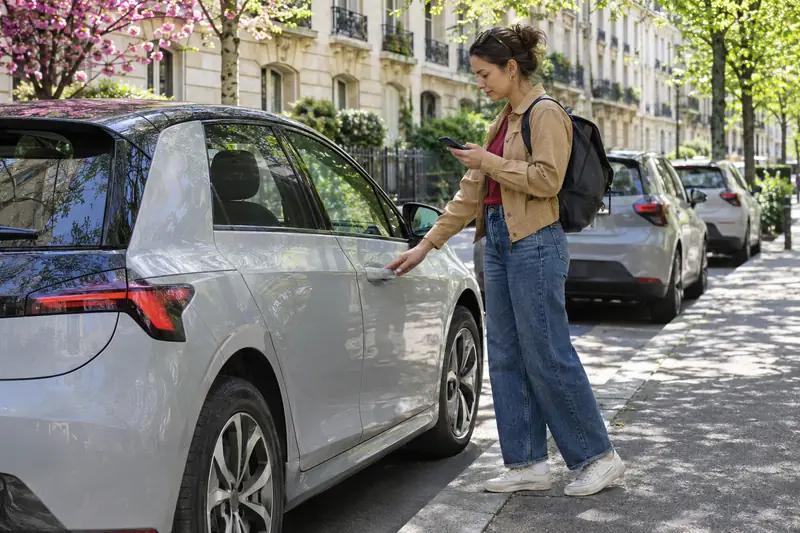
A city car subscription gives you a small, easy-to-park vehicle for a fixed monthly fee that usually includes insurance and servicing. These compact cars are designed for short trips, narrow streets and limited parking, and they use little fuel or electricity. The formula suits people who live in a large town and need a car for errands, commuting or weekend trips, but who do not want the cost, the paperwork and the long commitment of buying a car outright, which makes budgeting simpler for many households.
What counts as a city car
A city car is a small vehicle, typically under four metres long, with three or five doors and a compact engine. Examples of the category include small petrol models, mild hybrids and an increasing number of compact electric cars. The aim is easy handling: a tight turning circle, good visibility and a body that fits into a standard parking space with room to spare.
The trade-offs are limited space and power. A boot may hold a weekly shop or two cabin bags but not bulky luggage, and the rear seats suit children or short trips more than adults on a long ride. Motorway driving is possible, though less relaxed than in a larger car.
Before choosing, think about the loads you carry most often. If you regularly move large items, a slightly bigger model or a subscription with occasional van rental may fit better.
What a monthly fee covers for a small car
Small cars cost less to rent than larger ones, because they are cheaper to buy, insure and repair. A city car subscription generally includes insurance, scheduled maintenance, road tax and assistance, while energy, parking and fines remain yours. Check the mileage allowance, since city drivers typically cover modest distances, and choosing a small allowance can reduce the fee.
Look at these elements when comparing:
- the monthly price for your chosen duration;
- the kilometres included and the price of extra ones;
- the excess if the car is damaged, which matters in tight urban parking;
- delivery, registration and return fees.
Because small cars are in demand, availability can vary. Book early if you need a specific model or colour, and be flexible about options.
Parking, low-emission zones and daily costs
Urban life brings its own rules. Many cities have low-emission zones, paid parking and restrictions on older diesel vehicles. A recent petrol, hybrid or electric city car is usually accepted in these zones, but check the local rules for the places where you drive. Some cities give electric vehicles free or cheaper parking, though these advantages change over time.
Plan where the car will spend the night. A private space or a garage prevents daily searching and reduces the risk of scratches. If you rely on street parking, a smaller car is easier to place, though you should still budget for a resident permit or a paid space.
Add up the daily costs: parking, energy, tolls and occasional washing. For many people in towns, parking is the largest expense after the monthly fee.
Petrol, hybrid or electric: which suits city driving
Short urban trips affect the choice of engine. Petrol engines are cheap to rent but work less efficiently in stop-and-go traffic. Hybrids recover energy when braking and often use less fuel at low speed. Electric cars suit town use particularly well, with quiet operation and low energy cost per kilometre, provided you can charge them conveniently.
Charging is the key question. If you have a charge point at home or work, an electric city car is practical. If you depend on public chargers, check how many exist near you and how long they take. A small battery recharges faster than a large one, but the range is shorter, often enough for several days of city use.
Ask the provider about charging cards or cables included with the subscription.
Who benefits from a city car subscription
The formula suits several profiles. Young professionals who commute inside a city can avoid the cost of buying a car. Households that already use public transport and need a car for the weekend or for visiting family find a small car sufficient. Newcomers who are unsure how long they will stay in a city appreciate the flexible term.
It also helps people who are testing a new lifestyle. Before giving up a larger car, a household can try a small one for a few months to see whether it fits daily life. Others use a city car as a second vehicle, leaving the larger one for holidays.
If you drive mostly on motorways or carry several passengers regularly, a bigger vehicle may be a better choice. Match the car to your routine rather than to the price alone.
Comparing with car sharing and ownership
For occasional needs, car sharing remains the cheapest option. You pay for the minutes or hours you use and nothing else. As soon as you use a car several times a week, the cost can exceed a monthly fee, and availability near your home becomes a problem.
Owning a small car has a lower monthly cost in the long run, but includes purchase price, depreciation, insurance, tax and repairs. In a city, a car often stays parked most of the day, so the cost per useful hour is high.
A subscription sits in the middle. To decide, count the number of days you would drive in a typical month. If it is fewer than five or six, sharing or taxis probably win. If it is more, a subscription is worth pricing carefully against a purchase.
Practical advice before you choose
Take time to see the car in real conditions. If the provider allows a test drive, try parking it in a tight space and driving it on the roads you use daily. Check the visibility, the ease of entry and exit, and the boot access.
Look at the contract details: notice period, deposit, who may drive and whether you can change the car after a few months. Ask about the process for damage, because small cars suffer parking scratches, and find out what the provider counts as normal wear.
Take dated photographs at delivery and return, and keep all documents in a folder. A well-chosen small car with a clear contract gives you the benefits of mobility without the burden of ownership, in the way a city dweller needs it.
Ending or changing a small-car subscription
City life changes quickly: a new job, a move or a growing family can make a small car unsuitable. Before you sign, check how easily you can leave or switch. Some providers allow you to exchange the car for a larger one after a few months, sometimes at no charge, while others apply a fee.
Ask about the notice period, usually a few weeks, and about the cost of ending early. If you plan to travel for a while or move abroad, ask whether the contract can be paused or transferred.
When the end arrives, clean the car, remove personal items, and book the return on a weekday when the staff can inspect it with you. Keep the final statement and the return receipt for several months in case of a late claim.