
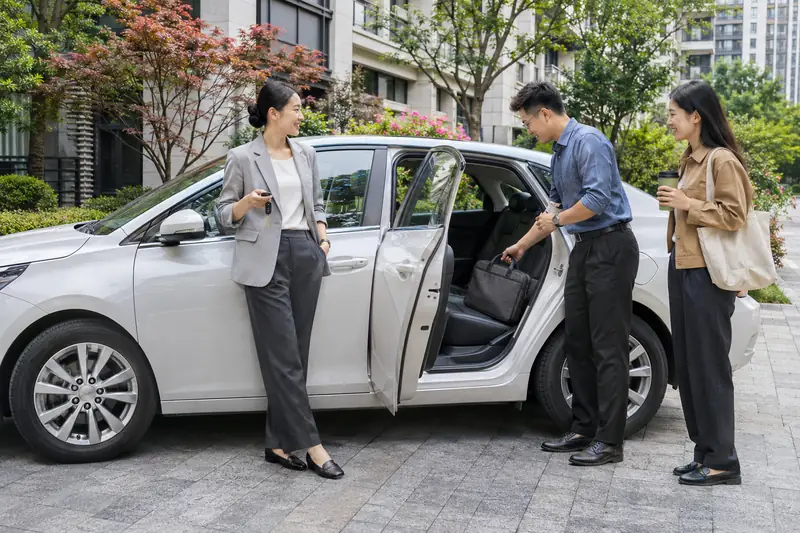
In Malaysia, carpooling means that people who travel the same route, for example from Shah Alam to Kuala Lumpur or from Johor Bahru to Singapore's border, ride together in one private car and share fuel, toll and parking expenses. It is common among colleagues, university students and families who travel home for festive seasons. It differs from e-hailing, where a driver works for a platform, because the carpool driver is making their own trip and only recovers part of the costs.
Where carpooling matters most in Malaysia
The Klang Valley, with Kuala Lumpur at its centre, is the largest area of daily congestion. Many residents live in satellite towns such as Subang Jaya, Kajang, Klang or Rawang and work in the city centre, where parking is limited and expensive. Sharing a car with two or three colleagues lowers the cost of tolls, fuel and daily parking. Penang island and Johor Bahru have similar pressures, especially on the bridges and causeway that link them to the mainland and to Singapore.
- Daily commuters pooling from suburbs to office districts.
- Students sharing a lift between campus and home on weekends.
- Cross-state trips along the north–south expressway.
Each case has its own rhythm, but the basic idea of splitting costs is the same.
Balik kampung: festive travel by shared car
Every year, before Hari Raya Aidilfitri and other festivals, millions of Malaysians travel back to their home towns, a tradition known as balik kampung. Highways become crowded, and travel times can double. Sharing a car among relatives and friends reduces the number of vehicles and divides the substantial toll and fuel costs of such a long trip.
Plan to leave very early or late at night to avoid the peak, and agree on stops for prayers, meals and rest. Drivers should be careful about fatigue, since the combination of long hours and heavy traffic is a known cause of accidents. Rotating drivers, where more than one person has a licence, makes a safer trip. Bring enough cash or a charged electronic wallet for tolls and rest-area purchases.
How to find co-travellers
Several channels exist. Many large employers and universities have internal groups that match staff and students, and housing estates often have messaging groups where neighbours offer or ask for lifts. Navigation and social apps include community features that let drivers share their planned route, though the availability of carpool functions varies over time.
- Prefer people from your workplace, campus or neighbourhood.
- Check the profile and ask for a recommendation from a mutual contact.
- Agree on pick-up points that are safe and easy to find.
Meet in person before committing to a regular arrangement, and test it for a week. If the chemistry is poor, stopping early is easier than trying to change a long-term habit.
Costs: tolls, fuel and parking
Expressways in Malaysia are mostly tolled, and payment is made by electronic card or wallet at the barrier or through a tag. The main expenses for a pool are therefore tolls, fuel and parking. A reasonable approach adds the three, divides them by the number of occupants and sets a weekly or monthly figure that everyone knows.
Where the driver takes on the highest cost, such as paying a monthly parking pass, the group can agree on a small additional contribution. If members take turns, the arrangement requires no money exchange at all. Electronic payment apps make it easy to settle the balance, with a record that avoids doubt. Never increase the amount without discussion, and never aim for profit, which would change the nature of the arrangement and might create legal and insurance issues.
Legal and insurance points
Private cars in Malaysia are registered for private use. Carrying paying passengers on a regular basis as a business typically requires a licence under land public transport rules, and e-hailing drivers operate under a separate regime. A carpool among colleagues or friends that merely shares costs is a different situation, but authorities pay attention to arrangements that look like unlicensed taxi activity.
- Keep the road tax, driving licence and insurance valid.
- Ask your insurer how passengers are covered.
- Do not advertise seats in a commercial manner.
Rules can change, so check with the relevant transport authority if your plan involves frequent trips with many different passengers. For a stable group of colleagues, the usual cost-sharing logic is unlikely to cause trouble.
Alternatives to sharing a private car
The capital region has a growing public transport network, including light rail, monorail, mass rapid transit and commuter trains, complemented by feeder buses. For some commuters, a combination of park-and-ride and rail is faster than driving the whole way. Between cities, express buses and the electric train service connect the main centres on the west coast.
E-hailing services provide on-demand rides within cities and often fill gaps in public transport, although prices rise during peak hours and heavy rain. Carpooling usually offers a cheaper cost per person for regular trips, while public transport offers predictability and no parking worries. Comparing the real monthly cost of each option, including time spent, is the best way to decide.
Safety and etiquette
Malaysia has a high number of road accidents compared with many countries, especially involving motorcycles, so defensive driving is vital. Drivers should respect speed limits, keep a safe distance and avoid using a phone. In the wet season, heavy rain can reduce visibility sharply and make roads slippery.
- Wear seat belts in front and rear seats.
- Share your trip details with a family member.
- Be punctual and notify the group if you will be late.
- Respect prayer times and the dietary habits of others when planning stops.
A polite and flexible attitude goes a long way in a multicultural country. Small gestures such as offering a drink or a snack at a rest stop help build a friendly atmosphere in a car that is shared every day.
Getting a regular pool started
Begin by writing down where you live, where you work and your usual hours. Then post a short message in your workplace group or ask the human resources department whether a coordinator exists. Approach colleagues who live near you and suggest a trial period.
Decide who drives first, how costs are split, what happens when someone is absent and how you will communicate. Send a short summary in writing so that no point is forgotten. After a few weeks, meet briefly to discuss what works and what does not. Many commuters in the Klang Valley find that a pool reduces stress, because the burden of driving is shared and the time in the car becomes social rather than lonely.
Mobility and transport organisations in Malaysia
- Grab : Regional mobility platform offering e-hailing rides in Malaysian cities, an option when no shared car is available.
- MyRapid (Prasarana) : Operator of rail and bus services in the Klang Valley, including park-and-ride facilities for combined journeys.
- KTMB : National railway operator running intercity electric trains and commuter services.
Further reading
- Waze : Community navigation app widely used in Malaysia for live traffic updates and route planning.