
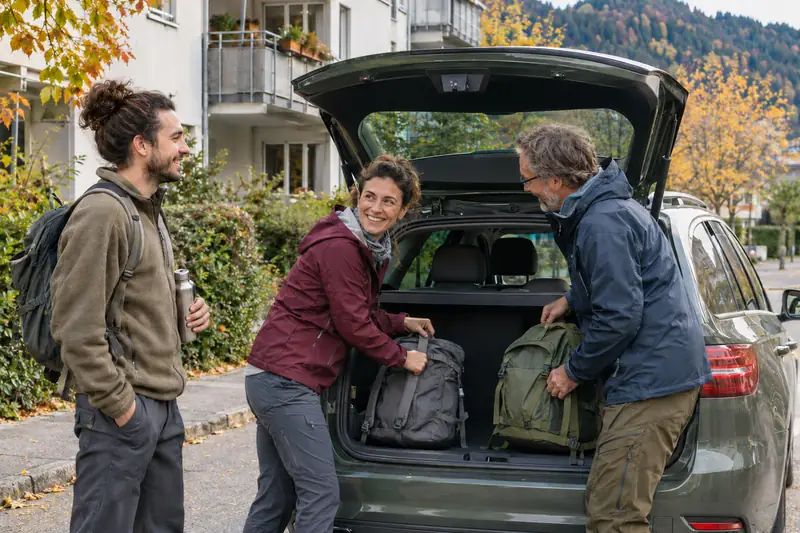
In France, camper van sharing is the rental of a motorhome or converted van by its private owner to a traveller, usually through an online platform that handles booking, payment and insurance. It gives access to a wide range of vehicles, from small vans to family motorhomes, often at lower prices than traditional rental companies. The owner and the renter agree on dates, mileage, deposit and equipment, and the platform sets the conditions for cover and cancellation. Reading the terms carefully before booking is the key to a good trip.
How camper van sharing in France works
Camper van sharing in France follows a simple model. Owners list their vehicle on a platform with photos, equipment, location, rules and a calendar. Travellers search by region and dates, send a booking request and, if the owner accepts or the booking is instant, they pay online. The platform usually holds the payment until the start of the rental.
- Choose the vehicle that fits your group and driving licence.
- Read the description of equipment, such as bedding, kitchen and heating.
- Check the pick-up place, which is normally the owner's home or a nearby address.
- Agree on the check-in and the check-out times.
At the hand-over, the owner shows you how everything works and you complete a condition report together.
Prices, deposits and extras
Rates depend on the type of vehicle, the season and the length of the trip. High summer and school holidays cost more, while spring and autumn are often cheaper. Some owners require a minimum number of nights, and many give a discount for longer stays.
- Deposit: usually blocked or paid on the platform and returned after the check-out.
- Mileage: some include a daily allowance, others charge per kilometre.
- Cleaning: sometimes included, sometimes charged if the vehicle is returned dirty.
- Extras: bed linen, camping chairs, bikes or a generator may cost more.
Ask what is included in the price, and what you must bring. Compare the total cost, including fuel, tolls, campsites and insurance, not only the daily rate.
Driving licence and who can drive
The licence you need depends on the weight of the vehicle. In France, most vans and light motorhomes up to 3.5 tonnes can be driven with a standard category B car licence, while heavier vehicles require a different category. Always check the maximum authorised weight shown on the vehicle documents.
- Owners often set a minimum age and a minimum number of years of driving experience.
- Every driver should be named in the booking.
- Foreign licences may be accepted, but check the platform's rules.
Take time to get used to the size, height and length of the vehicle. Camper vans are higher and longer than cars, so watch for low bridges, narrow streets and car park height barriers.
Insurance and what it covers
Reputable platforms include insurance in their rental offer, covering third-party liability and damage to the vehicle, often with an excess that you pay in case of a claim. The cover differs by platform and by owner, so read the policy summary before you book.
- Check the excess for damage, theft and breakdown.
- Ask about roadside assistance and what happens if the vehicle cannot be repaired quickly.
- Check exclusions, such as damage to the interior, awnings or roof, and driving in certain countries.
- Look at whether additional cover can reduce your excess.
Take dated photos of the vehicle at pick-up and return, including the roof, tyres and interior, and keep them until the deposit is released.
Rules for parking and overnight stays
Where you sleep is as important as how you drive. In France, camping and sleeping in a vehicle are regulated by municipalities, and rules differ between towns and protected areas. Many towns have dedicated motorhome areas with services such as water, waste disposal and electricity.
- Use campsites or official motorhome areas when you are not sure.
- Check local signs about parking and overnight stays.
- Never empty waste water or chemical toilets on the street or in nature.
- Respect residents, noise rules and nature reserves.
Booking campsites in advance in summer is wise, especially on the coast. In winter, check whether the water systems are drained or protected from frost before you set off.
Preparing the trip and the vehicle check
A short check at hand-over avoids most problems. Ask the owner to demonstrate the gas system, the water pump, the electrical connection and the heating. Make sure you know the fuel type, the height of the vehicle and the way to operate the bed or table.
- Test the lights, brakes, tyres and wipers.
- Check the gas bottle, fridge and battery.
- Locate the spare wheel or repair kit, and the jack.
- Note the fuel level and the mileage on the form.
Share your planned route with the owner and ask for tips on local roads or campsites. Owners know their vehicles well and often give practical advice that no manual contains.
Cancellation, disputes and deposit refunds
Cancellation rules are set by the platform and often by the owner, with a scale of refunds depending on how close you cancel to the start date. Read them before you pay, particularly if your plans may change.
- Check if there is a free cancellation period.
- Ask what happens if the owner cancels or the vehicle breaks down.
- Report problems to the owner and the platform immediately, with photos.
- Keep all messages and receipts in case of a dispute.
The deposit is generally released after the owner confirms that the vehicle is returned in the agreed condition. If you disagree about a claimed deduction, ask for the platform's mediation service before taking other steps.
Tips for a smooth trip
Start with a short first trip if you have never driven a camper van. Keep your speed moderate, brake early and take extra care with cross-winds on motorways.
- Pack light, because weight affects fuel use and safety.
- Secure items inside before you drive.
- Keep documents, such as the booking and insurance, within easy reach.
- Plan fuel and water stops in remote areas.
On return, empty the toilet and the water tanks if required, clean the vehicle and give it back at the agreed time. A tidy return builds a good reputation, and good reviews help you find better vehicles next time.
Who the formula suits and when to book
This formula suits couples, families and groups of friends who want freedom to choose their route and to sleep close to nature or in small villages. It also works for people who are considering buying a vehicle and want to test the lifestyle first.
- Book several months ahead for July and August.
- Look for off-season dates if you prefer lower prices and quieter roads.
- Choose a vehicle with the right number of belted seats for your group.
Think honestly about how much space you need. A compact van is easier to drive and park, while a large motorhome gives comfort but needs more care in towns and on narrow roads.
Camper van sharing organisations in France
- Yescapa : A peer-to-peer platform for renting motorhomes and camper vans from private owners across France.
- Wikicampers : A French platform that connects owners and renters of camper vans and motorhomes.
- Camptoo : A marketplace for renting motorhomes, vans and caravans between individuals.
- Goboony : A camper van sharing platform with vehicles in France and neighbouring countries.
- Paulcamper : A platform for renting private camper vans and motorhomes, with insurance included.
Further reading
- Fédération française des campeurs, caravaniers et camping-caristes : A national federation offering advice on camping, motorhome travel and legal rules.