
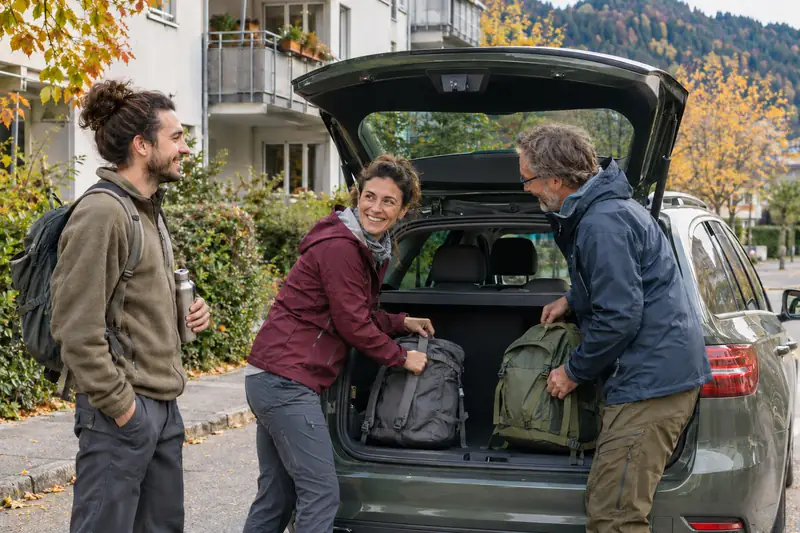
In Switzerland, camper van sharing is the rental of a motorhome or converted van by its private owner to a traveller, usually through an online platform that organises booking, payment and insurance. It attracts visitors and residents who want to explore lakes, mountain passes and alpine villages without buying a vehicle. Owners and renters agree on mileage, deposit and equipment, while the platform sets rules for cancellation and cover. Swiss roads, tolls and overnight rules are specific, so preparing your trip and reading the conditions carefully will make it safer and easier.
How camper van sharing in Switzerland works
The process is similar to other peer-to-peer rental. You choose a vehicle on a platform, check its calendar and equipment, send a request or book instantly and pay online. The owner confirms details and arranges the hand-over, often in or near a major city or a tourist region.
- Check the listing for height, length and weight of the vehicle.
- Ask about winter equipment if you travel in cold months.
- Confirm whether pets and smoking are allowed.
- Agree on pick-up and return times in writing.
Because the Swiss market is smaller than in neighbouring countries, availability can be limited in summer. Book several weeks ahead for peak periods, and keep alternative dates in mind in case your first choice is taken.
Costs, deposits and extras
Switzerland is an expensive country, and this is reflected in rental prices, campsites and fuel. Daily rates vary by vehicle and season, and many owners require a minimum number of nights in summer.
- Check what the price includes: kilometres, bedding, kitchen, gas and cleaning.
- Ask about the deposit and how it is returned.
- Look at additional charges for late return or extra drivers.
- Include the Swiss motorway vignette in your budget if it is not included in the vehicle.
All rates are normally shown in Swiss francs. If you cross into the neighbouring countries, compare the cost of fuel and campsites, which may be lower in some regions. Plan your itinerary to keep your daily mileage realistic.
Licence and weight rules
In Switzerland, most camper vans up to 3.5 tonnes can be driven with a standard category B licence, while heavier vehicles require different categories. Check the vehicle's permitted total weight and the licence rules in your home country, particularly if you come from outside Europe.
- Every driver should be named in the rental agreement.
- Carry your licence and identity documents at all times.
- Respect the speed limits, which are lower than in many neighbouring countries on some roads.
- Check the tunnel and road restrictions for vehicles above certain dimensions.
Plan for narrow roads and tight bends in mountain villages. Heavy or tall vehicles may be restricted on some passes, so use a route planner designed for motorhomes.
Insurance and breakdown cover
Rental platforms usually include insurance, but the details differ. Look at the excess for damage and theft, whether assistance is available across the country and how repairs are arranged if you break down in a remote valley.
- Ask whether the cover applies in neighbouring countries.
- Check the exclusions for off-road driving and mountain tracks.
- Know who to call in an emergency and keep the number handy.
- Check winter conditions and any requirement for tyres or chains.
Document the vehicle's condition with photos and notes at the start and end of the rental. This evidence helps if a disagreement arises about scratches, interior damage or missing equipment.
Driving in the mountains
Mountain roads demand slower speeds and careful braking. Use a lower gear on long descents to avoid overheating the brakes, and leave extra distance on bends. Some passes are closed in winter, and weather can change quickly.
- Check road status before leaving, particularly in autumn, winter and spring.
- Fill up the tank before remote routes.
- Carry warm clothes, water and a charged phone.
- Do not tow or load beyond the permitted weight.
Postal buses have priority on many narrow mountain roads, so give way and pull over when asked. Take your time; the journey is part of the experience, and rushing makes mountain driving harder and less safe.
Where you can park and sleep
Switzerland has campsites and motorhome stopovers, often with water and electricity. Free overnight parking in a vehicle is restricted in many places, and rules differ between cantons and municipalities. Nature reserves and many mountain areas have strict rules to protect the environment.
- Prefer campsites and designated areas for overnight stays.
- Check local signs and ask at tourist offices.
- Do not empty waste water outside official points.
- Book popular places in advance in summer.
Some farms offer overnight spots for motorhomes, which can be a quiet and local option. Always respect the owner's rules and the peace of the village.
Hand-over, return and cleaning
A good hand-over saves trouble. The owner should show you how to use the gas, the water, the toilet, the heating and the electricity. Record the mileage and the fuel level.
- Check lights, tyres and brakes together.
- Photograph every side, the roof and the interior.
- Return the vehicle clean and with the agreed fuel level.
- Empty the toilet and tanks as required.
If you spot a problem during the trip, tell the owner and the platform promptly. A small issue reported early is often easier to fix than one discovered at return, and it shows that you acted in good faith.
Planning tips for visitors and residents
Plan a flexible itinerary with short driving days. Switzerland is compact, but mountain roads slow the pace. Use cantonal and national tourism information to find campsites, viewpoints and routes suited to larger vehicles.
- Check weather forecasts for mountain areas each morning.
- Keep your fuel above a quarter of the tank.
- Learn the basic words for 'campsite' in the local language, as German, French and Italian are used.
- Keep cash for small places that may not accept cards.
A well-planned trip leaves room for spontaneous detours. With good preparation and a trustworthy owner, camper van sharing is a pleasant way to see Switzerland.
Who it suits and when to book
This way of travelling suits people who like flexibility: couples, families and groups of friends who want to follow the weather and sleep close to the scenery. It is also a good test before buying a camper van of your own.
- Reserve early for July, August and the Christmas period.
- Look at spring and autumn for lower prices and quieter roads.
- Count the seats fitted with belts as well as the beds.
Choose a vehicle size that matches mountain roads. Compact vans are easier on narrow passes and in village centres, while larger vehicles offer comfort but need extra planning.
Camper van sharing organisations in Switzerland
- Yescapa : A peer-to-peer platform for renting motorhomes and camper vans from private owners in Switzerland.
- Paulcamper : A platform for renting private camper vans with insurance included.
- Campanda : A marketplace for renting camper vans and motorhomes from private owners.
- Goboony : A camper van sharing platform with vehicles in several European countries.
Further reading
- Touring Club Switzerland : A Swiss mobility organisation with travel information, camping services and roadside assistance.