
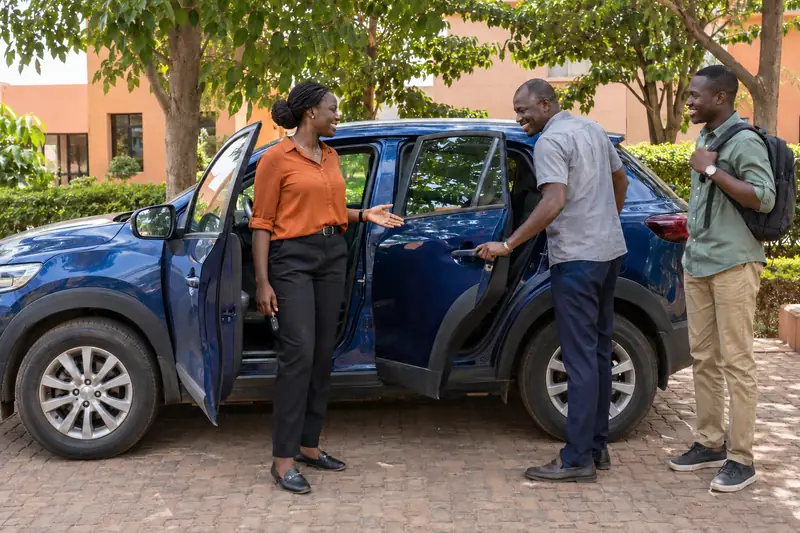
In Mali, carpooling is the practice of a driver who is travelling by car, for example from Bamako to Ségou or Sikasso, taking passengers going the same way and asking for a contribution to fuel costs. It usually works through family ties, neighbours, workplaces and messaging groups. It is not a professional transport service, and costs should be shared fairly. Because road conditions and security vary across the country, travellers need to prepare carefully and follow official advice before choosing a route.
The routes that matter most
The road network is centred on Bamako, the capital, which sits on the Niger river. The main axes lead south-east to Sikasso and the border with Ivory Coast, east to Ségou and onwards to the Mopti region, and west to Kati and Kayes. Along these roads, trucks, buses and private cars share the carriageway, and traffic is heavy near the capital.
- Bamako to Sikasso, a busy route linked to trade in agricultural products.
- Bamako to Ségou, a relatively short and popular trip for families and workers.
- Bamako to Kayes, serving the west and the border area with Senegal.
Distances are large, and journey times depend on the state of the road, the season and the number of checkpoints, so allow generous margins.
Carpooling in Mali: how arrangements are made
Most shared trips begin with a call or a message. A driver who intends to leave Bamako on a given day tells relatives, colleagues and neighbours, and passengers show interest. Because trust is vital, a recommendation by a mutual contact counts more than anything else. Church and mosque communities, professional associations and student groups also relay such offers.
Before leaving, agree on the exact meeting point, the time of departure, the price and the luggage. Confirm everything the evening before. Passengers should arrive on time, as long waits at the start of a journey cost more than they seem. If a passenger plans to bring goods to sell, the driver should be informed in advance, since this changes the load and may affect safety and insurance.
Splitting fuel and other expenses
The main expenses are fuel and, on some stretches, road tolls. A fair contribution is based on the total cost divided by the number of people on board. Drivers sometimes add a small sum for tyres and oil when the journey is long, but the aim is to share costs, not to make a profit.
- Estimate fuel needs for the full distance and the return if relevant.
- Add tolls and any ferry or bridge fees.
- Pay in West African CFA francs, in cash or by mobile money.
Mobile money transfers are widespread in the country and provide a record of payment. A written message that states the amount, the pick-up point and the time is the best protection against disagreements. If the price changes, discuss it before departure, not on the road.
Coaches, minibuses and other ways to travel
Many Malians travel between towns by coach. Several companies operate from Bamako's bus stations to regional centres, with set departures and luggage handling. In the capital itself, minibuses known as sotrama and shared taxis carry passengers across districts at low prices.
A private shared car offers more flexibility and sometimes more comfort, but it also depends on the character of the driver. For a first journey with someone unknown, a coach company is often the more reassuring choice. Travellers who share a car regularly with trusted colleagues benefit from direct routes and shorter waiting. Compare the price, travel time and level of comfort before choosing, and keep in mind that seasonal conditions can affect all modes in different ways.
Safety and travel advice
Some parts of the country face security challenges, and the situation can change quickly. Anyone planning a journey outside the capital region should consult recent travel advice from their government and from local contacts, and avoid routes that are reported as risky. Prefer daylight travel and main roads.
- Tell a relative the route, the driver's name and the plate number.
- Carry identity documents for checkpoints.
- Check tyres, spare wheel, brakes and lights before leaving.
- Bring water, a charged phone and a power bank.
In the rainy season, some roads become difficult, and flooding can interrupt traffic. It is better to postpone a journey than to attempt a crossing that others consider dangerous. A driver who sets a cautious pace deserves thanks, not complaints.
Commuting in Bamako
Bamako has grown rapidly, and its few bridges across the Niger are a constant source of congestion. At rush hour, a short distance can take a long time. Colleagues who work in the same neighbourhood often agree to share a car, which lowers fuel costs, eases the search for parking and offers a more comfortable journey than a crowded minibus.
A daily group works best when members agree on a fixed pick-up point and a waiting limit. If a bridge is blocked, the driver decides on an alternative route and informs everyone. Rotating the driving role keeps the effort fair. Some companies encourage these arrangements by adapting working hours slightly, which can help workers avoid the heaviest part of the morning and evening traffic.
Rules, documents and responsibilities
The driver must hold a valid licence, vehicle registration and insurance, and should check how passengers are covered in the event of an accident. Passengers should carry an identity card or passport and any documents needed for their destination. Overloading a vehicle is both unsafe and illegal, and a responsible driver refuses to carry more than the seats and belts allow.
- Do not carry fuel containers inside the passenger area.
- Keep the contribution within the real cost of the trip.
- Treat checks by officials politely and calmly.
If a driver turns the arrangement into a regular paid service, professional transport rules may apply. When unsure, ask the competent transport office for guidance.
Building long-term trust
People in Mali value personal relationships, and carpooling follows the same pattern. A driver who is punctual, calm and honest quickly gets a reputation that spreads by word of mouth. Passengers who pay fairly and respect the vehicle become welcome again and again.
Keep promises, and communicate openly when plans change. If you must cancel, do it as early as possible so that others can arrange alternatives. Greet fellow travellers politely, ask about their needs for stops, share water or snacks on long stretches and avoid disputes about small amounts, which rarely justify spoiling a long road together. Over time, regular shared journeys can strengthen neighbourhood and workplace bonds while reducing the transport bill for everyone concerned. It is a modest practice, but in a country where distances are great and resources limited, every saved coin and every safer journey counts.
Transport companies and services in Mali
- Sonef Transport : Intercity coach company with departures from Bamako to several regional towns.
- Binke Transport : Passenger transport company running regular coach services between Malian cities.
- Diarra Transport : Coach operator serving routes between the capital and other towns.
Further reading
- World Bank in Mali : General information on infrastructure and transport projects in the country.