
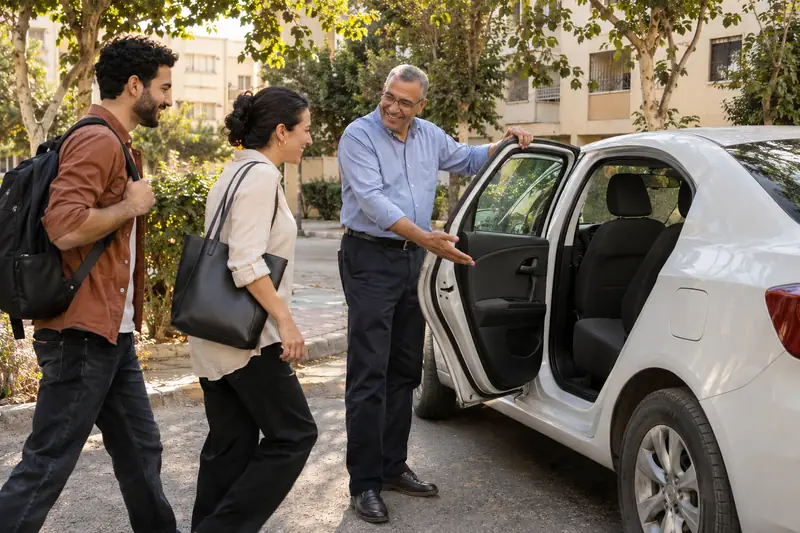
In Russia, carpooling means that a driver who is already making a trip, for example from Moscow to Saint Petersburg, takes along passengers going the same way and shares fuel and toll costs with them. The practice is helped by the country's enormous distances, high car use and a long tradition of informal lifts, often arranged through online communities. A carpool is not a taxi: the driver has a personal destination, and the payment should reflect real expenses. Preparation matters because of long journeys and severe winters.
Distances and habits that favour shared rides
Russia is the largest country in the world, and even a trip between neighbouring regions can take many hours. Fuel costs and the wear on a car over such distances are significant, so splitting them among several people makes sense. Informal lifts have long been part of everyday life, particularly in areas where public transport is infrequent, and today they have moved largely to online groups and messaging channels.
- Intercity trips between large cities and nearby regional centres.
- Holiday journeys to dachas and villages in the summer.
- Student travel between universities and home towns.
On a long journey, a passenger can also help the driver by navigating, talking and watching for signs of fatigue.
Carpooling in Russia: how rides are organised
Most trips are arranged online. Drivers post their route, date and departure time in dedicated groups or on carpooling services, and passengers contact them to reserve a seat. For well-known routes, such as Moscow to Nizhny Novgorod or Saint Petersburg to Petrozavodsk, offers are frequent, particularly at weekends and before public holidays.
Before agreeing to a ride, check the profile of the driver, the car model and the reviews of previous passengers. Ask about luggage space, stops and whether tolls are included in the contribution. Confirm the meeting point, which should preferably be a well-known landmark or a petrol station. On the day, send a message when you leave and when you arrive. Written agreements, even brief ones, remove any ambiguity about price and timing.
Splitting fuel, tolls and other costs
The highway between Moscow and Saint Petersburg includes a toll section, and other roads have paid stretches, so tolls can be a significant part of the cost. Fuel is the other main item. Drivers divide the total by the number of occupants and may add a small amount for wear on very long trips.
- Estimate fuel for the full route using the car's average consumption.
- Add tolls, parking and, if relevant, ferry fees.
- Agree on payment in roubles, by cash or bank transfer.
Bank transfers by phone are widespread in Russia and make settling the cost quick and traceable. Avoid changes of price on the road, and treat the sum as a contribution, not a fare. Where drivers appear to earn a regular income from such trips, authorities may consider the activity as unlicensed passenger transport.
Winter driving and seasonal conditions
Winter is long in most parts of the country, with snow, ice and very low temperatures. Cars need winter tyres, and many drivers carry a shovel, a tow rope, jump leads and a warm blanket. In remote areas, a breakdown can become dangerous if help is far away and mobile networks are poor.
- Check weather forecasts and road conditions before leaving.
- Fill the tank before a long empty stretch.
- Carry warm clothing, water and a charged phone.
In spring, melting snow and potholes require reduced speed. In summer, road works and heavy holiday traffic can cause delays. Drivers who adapt to conditions and agree with passengers that they may stop or postpone a journey for safety deliver a more reliable service than those who insist on keeping to a schedule at any cost.
Commuting in Moscow, Saint Petersburg and other big cities
Large cities have extensive public transport, including metro systems that are among the most heavily used in the world. Even so, congestion on ring roads and main avenues is a daily reality, and parking can be hard to find in central districts. Residents of suburbs and satellite towns sometimes share a car for the journey to the nearest metro station or to a business district.
Groups of colleagues organise rotation among drivers, which divides fuel and parking costs and reduces the number of vehicles arriving at the same office. Some employers support the practice by offering parking spaces for shared cars. In dense urban areas, the metro often remains the faster option, so a pool is most useful where rail links are poor or the working hours do not match public transport.
Safety and trust
Meeting a stranger for a long road trip requires judgement. Ask for a recent profile, a real phone number and reviews from other passengers. Share the driver's name and car number plate with a relative, and send updates at stops. Women travelling alone may prefer to ride with drivers who have many positive reviews or to travel in groups.
- Wear a seat belt throughout the journey.
- Do not accept a driver who has consumed alcohol; the legal tolerance for alcohol behind the wheel is extremely low in Russia.
- Keep valuables with you rather than in the boot.
Trust develops over time, and many drivers build a group of regular passengers who know them well. Reviews are an important tool, so leave one after each journey.
Documents, insurance and legal points
A driver must carry a licence, vehicle registration and compulsory motor third-party insurance, which covers damage and injury to others, including passengers. Traffic police checks are common, and a driver without documents may be stopped for a long time, affecting all the travellers. Foreign visitors should keep their passport and any migration documents with them.
Private individuals may share costs, but regular paid transport of passengers is a regulated activity and may require a permit. The line between a cost-sharing lift and a business is crossed when the driver earns a profit or advertises as a taxi. If in doubt, check current regulations or seek advice from a transport authority. Honest, transparent arrangements are the best protection for both sides.
Alternatives to a shared lift
Russian Railways runs a very large network, from the high-speed trains between Moscow and Saint Petersburg to long-distance sleeper services crossing the country. Intercity buses connect many regional centres, and ride-hailing applications are widespread in cities. These options provide schedules, tickets and accountability that a private lift lacks.
A shared car is attractive when schedules do not fit, when the destination is far from a station or when the group wants to carry bulky luggage. Compare the cost of each option, taking into account door-to-door duration. For many travellers, a combination works best: the train for the long segment and a shared car for the final stretch to a village or a small town where no services run.
Transport and mobility services in Russia
- Russian Railways (RZD) : National rail operator selling tickets for long-distance and regional trains, a main alternative to long car trips.
- Yandex Go : Ride-hailing and urban mobility application widely used in Russian cities.
- Mosgortrans : Operator of buses and trams in Moscow, useful for combined journeys with a shared car to the city edge.
Further reading
- Yandex Maps : Mapping and navigation service with traffic information for planning journeys in Russia.