
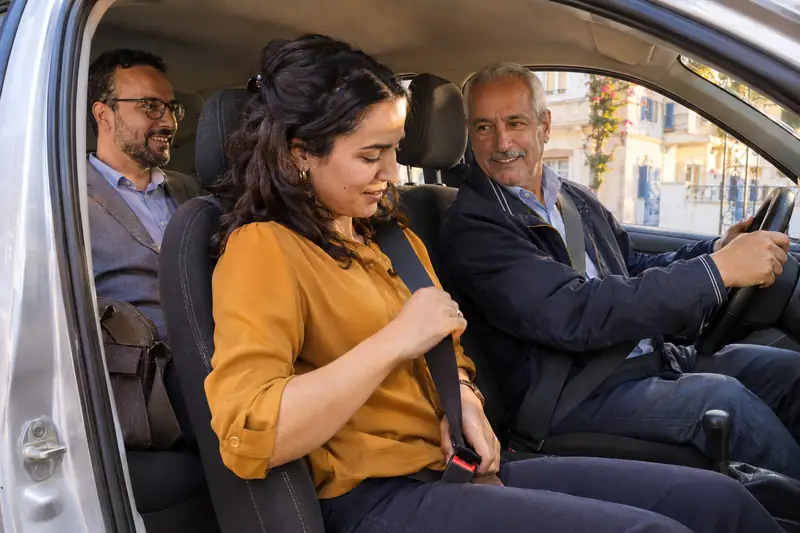
In Morocco, a monthly car subscription is a long-term rental in which you pay one fixed amount each month to use a car that comes with insurance, maintenance and assistance. The market is younger than in Europe, and the offers are mostly provided by established rental companies and a few digital newcomers, under names such as location longue durée. It suits expatriates, professionals on a posting, students, returning residents and anyone who wants to use a car for several months without buying one.
How a monthly car subscription works in Morocco
Most monthly formulas in the country are long-term rentals sold by rental groups, and some banks and dealers offer similar products. The company provides a recent car, usually a compact model, a family saloon or a small sport utility vehicle, and keeps responsibility for registration, insurance and servicing.
Because the concept of an online subscription is still developing, the terms vary much more than in Europe. Some companies publish prices on the internet, while others prepare a quotation after a call. Do not hesitate to ask for details by message so that you have the answers in writing.
Compare a long-term rental with a daily one. Beyond a week, a monthly rate is almost always lower per day, and from one month onwards the difference becomes significant.
What is included and what you pay on top
A usual contract includes mandatory civil liability insurance, maintenance, the annual vehicle tax, the technical inspection and breakdown assistance. Comprehensive cover or a reduction of the excess may be an option.
- Paid by you: fuel, parking, motorway tolls and fines.
- Often limited: monthly mileage, with a fixed price for extra kilometres.
- Often charged: a deposit by card or bank transfer, returned after inspection.
- Sometimes charged: delivery to an airport or a hotel, and additional drivers.
Ask whether you may drive outside the country, for example to Spain by ferry. Most contracts forbid it or require a written authorisation.
Documents and conditions for drivers
Residents need a Moroccan licence or a foreign licence accepted by the authorities, along with an identity card or passport. Visitors can generally use a licence from their home country for a limited period, and an international permit can help if the licence is not in Latin or Arabic script.
Companies usually ask for a minimum age, often twenty-one or twenty-three, and a minimum of one or two years of driving. Young drivers may pay a supplement. A bank card in the main driver's name is required for the deposit, and in some cases a proof of residence or a letter from the employer is requested for longer contracts.
Always read and sign the contract in a language you understand, and keep a copy of it in the car.
Roads, tolls and driving habits
Morocco has a modern motorway network linking Tangier, Rabat, Casablanca, Marrakech and Agadir, with tolls paid at gates by cash or card. Roads between towns are generally good, but traffic in big cities is dense and driving habits can be assertive, especially around roundabouts.
Police checks are frequent on the roads leaving towns, and the speed limits are enforced with radar. Keep your documents ready, respect limits, and carry the rental contract and insurance papers. Night driving outside cities calls for caution, because of pedestrians, animals and poorly lit vehicles.
In the mountains and in the south, check the weather and the state of the road before you go, and fill your tank before long stretches without stations.
Choosing a company and comparing offers
Ask at least three companies for a written quotation with the same duration, mileage and insurance. Compare the monthly price, the deposit, the excess, the age of the car and the replacement policy in case of breakdown. International groups are easier to reach online and often offer English or French service, while local firms can be more flexible on price.
Check reviews, but treat them with caution and look for repeated comments about deposits, damage disputes and delays. Visit the agency if you can, and inspect the car you will actually receive, not a photograph.
Prefer companies that give you an invoice and a contract with a clear registered address and tax number.
Returning the car and protecting your deposit
When you collect the car, walk around it with the agent and note every scratch, dent and mark on the report. Take dated photos or a video, including the mileage and the fuel level. Do the same on return, and ask for a signed document stating that the car came back in the same state.
The deposit is normally released within a number of days after return, depending on the company and the bank. If a charge is made for damage, ask for a written estimate with photos. Keep fuel receipts and the final invoice.
If you need to extend the contract, tell the company before the end date, because last-minute extensions may carry a higher price.
Is a monthly subscription in Morocco a good idea for you?
It is a good idea if you need a reliable car for a few months and want to avoid the paperwork of buying, insuring and reselling a vehicle. It is less attractive for a stay of several years, when a purchase or a longer rental may be cheaper.
Consider your actual usage. If you work in a city centre and rely on taxis, trams or trains for most trips, you may need a car only at weekends, and a daily rental could cost less. If you travel between cities every week, a monthly contract with a generous mileage is more sensible.
Costs to expect and how to keep them down
Monthly prices depend on the model, the length of the contract and the season. They are higher in the tourist periods and lower in quiet months. A long contract and a modest car usually give the best rate, while an automatic gearbox, a large vehicle or a young driver supplement increase the amount.
To keep costs down, choose a mileage package that matches your real use, since extra kilometres are expensive. Refuel at ordinary stations and keep receipts. Park in guarded or paid areas in large cities to limit the risk of damage and theft, and avoid leaving valuables on display.
Finally, ask for the price in dirhams and in writing, and confirm whether value added tax is included, so that the amount on the invoice matches the quotation.
Also confirm what happens in case of an accident. Ask whom to call, whether a police report is required for the insurer, and how quickly a replacement car can be provided, so that you are ready before a problem occurs.
A small fee for a second driver is often worth paying, since it lets a partner or colleague share long journeys legally and with full insurance cover.
Car rental companies offering monthly terms in Morocco
- Europcar Maroc : An international rental brand with agencies in the main Moroccan cities and long-term formulas.
- Avis Maroc : A rental company with airport and city agencies and extended rental options.
- Hertz Maroc : A rental network with several agencies across the country and monthly rates on request.
Further reading
- Autoroutes du Maroc : The motorway operator, with information on routes, toll prices and travel conditions.