
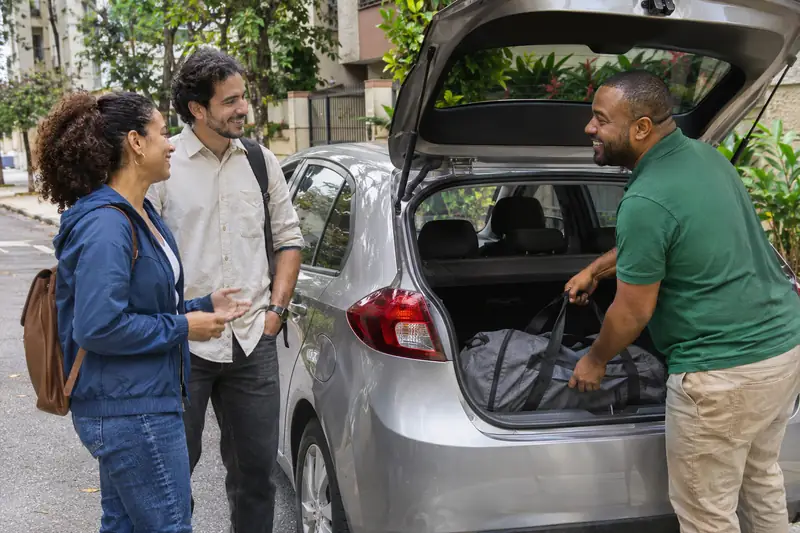
In Nantes, car sharing between individuals is a way for private owners to lend their car to other residents or visitors for a fee, through an online platform or a personal agreement. It reduces the cost of owning a vehicle that sits unused for much of the week and gives borrowers access to a car for a day, a weekend or a longer trip. The formula suits a city of rivers and tramways where many households need a car only now and then.
A city of trams, bicycles and occasional drivers
Nantes is known for its early return of the tram and for a mobility policy that favours public transport, cycling and walking in the centre. The Loire, the Erdre and the bridges between districts mean that traffic can build quickly at peak times, and parking near the Île de Nantes or the historic centre is often limited and paid.
For many residents, a car is useful only for certain journeys: a visit to family in the countryside, a day at the Atlantic coast, a trip to the vineyards of the Muscadet region or a large shopping run. Sharing makes sense for those outings, because it replaces fixed costs with a payment for actual use.
Owners, for their part, can lend the car when they commute by tram or bicycle and bring back part of their annual expenses.
How car sharing between individuals works in Nantes
The process follows a clear sequence, whether a platform is involved or not. The owner describes the vehicle and sets conditions such as mileage, fuel and the places where the car can be taken. The borrower sends a request, proves their identity and shows a valid licence. Both parties agree on a time and a place for the handover.
- Choose a platform or write a short agreement.
- Check the borrower's licence and the dates.
- Photograph the car and note the mileage before departure.
- Confirm the return time and the fuel level.
- Close the booking and leave a review.
On many platforms the car can be opened with a smartphone, so the owner does not need to be present. A direct loan requires a physical handover of the keys, which takes more coordination.
Insurance: the question to settle first
An owner who lends a car to someone else should know exactly how the policy treats this situation. Some contracts restrict the drivers named on the certificate, others exclude paid use, and a few allow it with an option. A written reply from the insurer is the best protection.
Platforms normally provide a policy that applies during the booking. It defines the excess that applies to a damage, the situations that are excluded and the time allowed to declare a claim. The borrower should read these terms and be aware that an excess can be significant.
If the car is the subject of a loan or a long-term contract, check also whether the lender allows third-party use. Keep the certificate and the green card in the car, and keep a copy of the platform conditions for each booking.
Roads, tolls and trips out of the city
From Nantes, the ring road and the motorways lead quickly to the coast, to Brittany and to the Vendée. Weekend traffic towards La Baule, Pornic and the beaches of the Loire-Atlantique can be slow, particularly on Friday evenings and Sunday afternoons, so plan the return time with care.
Borrowers should agree with the owner who pays tolls, fuel and parking, and whether the car may leave the country. A trip to Spain or Portugal calls for a check of the insurance abroad and the documents to carry.
- Check tyre pressure and fluid levels before a long trip.
- Keep the vehicle documents within reach.
- Note the nearest charging point or petrol station if the car is electric or hybrid.
A clear plan of the route often prevents a lot of misunderstanding about fuel and mileage.
Pricing a loan in a fair way
The price a borrower pays should reflect the costs the owner bears. Add up insurance, servicing, tyres, depreciation and parking, divide by the number of days of expected use and include a modest margin. Many owners also set a daily distance limit and a price for each extra kilometre.
The platform may deduct a commission from the amount paid, so the owner receives less than the borrower pays. Check the proportion before you publish your price, and decide whether you want a deposit for small damage or for cleaning.
Borrowers should compare the total cost with a conventional rental, a car club subscription and a train ticket. The shared car is generally interesting when it is close to home, available at short notice and suited to the exact needs of the journey, for example a larger boot for a move.
Photos, checks and clear communication
Most disputes start with a missing piece of evidence. Before the car leaves, both parties should take dated photographs of every side of the vehicle, the wheels, the windscreen and the interior, and write down the mileage and the fuel level. The same pictures should be repeated on return.
Keep the conversation in one place, whether it is the platform messaging or an email thread, so that the history of the agreement is easy to find. If a problem occurs on the road, the borrower should inform the owner immediately and follow the instructions in the contract.
Courtesy matters as well: arriving on time, returning the car clean and leaving a short note about anything unusual build a reputation that leads to future loans. Reliable borrowers are often given priority by owners.
Tax and record keeping
Income from lending a car should be recorded from the first euro. Keep a table with the date of each loan, the amount received, the commission paid and the costs linked to the vehicle. Platforms often provide a yearly summary that can be used when you fill in your return.
How such income is treated depends on the amount and the regularity of the activity, so rely on official explanations or on an adviser rather than on hearsay. Occasional cost sharing among friends is generally different from a business-like activity.
Store contracts, receipts and messages for the period required by law. A tidy file reassures the insurer and the tax office, and it makes it simpler to answer questions months after a loan.
Students, newcomers and families
Nantes has a large student population and a steady flow of newcomers who arrive for work or study. Many do not want to buy a car in their first months, and a loan from a neighbour or a platform gives them the freedom to move furniture, visit relatives or discover the region.
Families use a shared car differently: they borrow a larger model for holidays, then return to their usual mix of tram, bicycle and walking. Retired residents sometimes keep a car mainly for lending, since they drive little themselves and appreciate the extra income.
Whatever the profile, one principle applies. State clearly what you need, from the number of seats to the luggage space, and check that the car matches the plan before confirming the booking.
Organisations offering shared cars in Nantes
Further reading
- UFC-Que Choisir : Independent guides to rental contracts, insurance and consumer rights.