
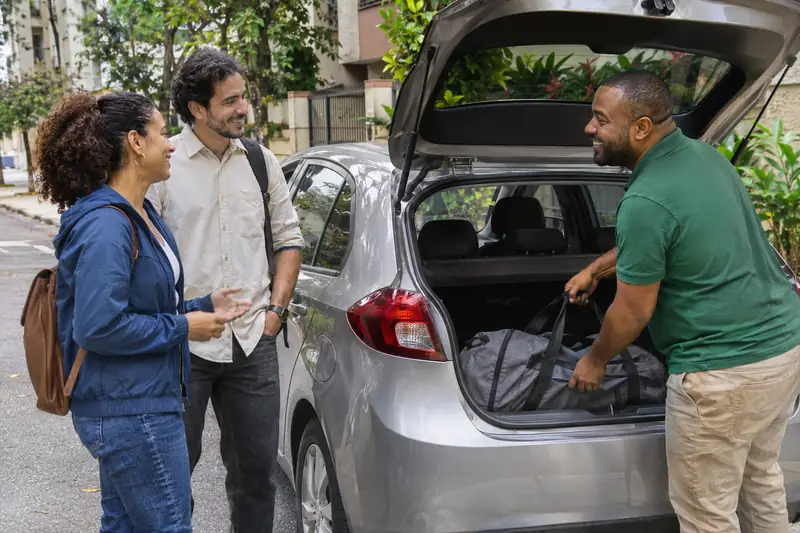
In Zurich, a monthly car subscription is a way of using a car for a fixed monthly fee, without buying it. The provider owns the vehicle and usually includes insurance, servicing, tyres and road tax in the price. You choose a model, sign a short or flexible rental period and collect or receive the car. For people living in the city, where public transport is dense but weekend trips and family errands still call for a car, the formula sits between car sharing and a long purchase commitment.
How a monthly car subscription works in Zurich
The principle is simple: you pay one monthly amount and the provider handles the rest. In and around Zurich, the offer is usually booked online. You select a car, upload your driving licence and proof of residence, and agree a start date. Many providers deliver the vehicle to your door or ask you to collect it at a partner garage in the canton.
The monthly fee generally covers:
- the use of the car for the agreed period;
- liability and comprehensive insurance, with a stated excess;
- scheduled servicing and wear parts such as tyres;
- vehicle tax and the motorway vignette, depending on the offer.
Fuel or electricity, parking and fines normally remain your own costs. Always read which items are inside the price before comparing two offers.
What it costs and what is really included
Prices in Switzerland are higher than in neighbouring countries, and Zurich is no exception, so the fee depends strongly on the model, the mileage package and the length of the commitment. A small petrol or hybrid car costs clearly less per month than an electric estate or a premium saloon. Because offers change often, treat any figure you see as a starting point and ask for the full quote.
Check these points in the quote:
- the number of kilometres included per month and the price of extra kilometres;
- the excess you pay after a damage claim;
- a one-off delivery, registration or administration fee;
- any deposit or pre-authorised amount on a payment card;
- the cost of ending the contract early.
Adding these items to the monthly fee gives you the true cost for a few months of use.
Who can sign up and which documents are asked
Providers in Switzerland normally ask for a valid driving licence held for a minimum period, often one or two years, and a minimum age that can be higher for powerful or premium cars. You will usually have to show an identity document, a residence permit if you are not Swiss, and proof of address in the country.
Because the company carries the financial risk of the car, it often runs a short solvency check. This may involve a request for a debt enforcement register extract, which in Switzerland you can order from the debt collection office of your municipality. A clean extract speeds up approval.
Newcomers to Zurich, such as expatriates on a first contract, should prepare their permit, employment contract and a recent payslip. Some providers also accept an employer's confirmation. Having the papers ready in digital form makes the booking much quicker.
Parking, zones and driving in the city
Living in Zurich, you quickly notice that parking is the main practical issue. Many streets belong to the blue zone, where residents need a parking permit and visitors have a time limit, while public car parks charge by the hour. Before you subscribe, ask yourself where the car will sleep at night: a private space, a rented garage or a district permit.
Remember also the local rules that apply to every driver in the city:
- low speed limits in residential areas, often 30 km/h;
- priority for trams, which are numerous in Zurich;
- lights required in tunnels and, by recommendation, during the day;
- strict fines for parking violations.
A compact car is easier to place in a narrow street and in a multi-storey car park, and a short subscription lets you test your daily routine before a longer commitment.
When a subscription beats a purchase or car sharing
For a household in Zurich, the real alternative is often a mix of train, bike and occasional car sharing. A subscription makes sense when you need a car regularly, for example for a commute outside the network, family visits in the mountains or a temporary job in the canton, but you do not want to carry the capital cost and the resale risk.
Compare the three options honestly:
- purchase: highest upfront cost, full freedom, resale risk and fixed running costs;
- car sharing: pay per use, ideal below a few trips a month, availability depends on the district;
- subscription: a car of your own for weeks or months, with predictable monthly costs.
If you drive fewer than a handful of days each month, car sharing is usually cheaper. If you drive several times a week, a subscription tends to become competitive, especially when insurance and maintenance are included.
Contract length, mileage and ending the subscription
Flexibility is the selling point. Some offers run for one month, others for three, six or twelve months, and the monthly fee generally falls when the commitment is longer. Ask whether you may swap the car for another model during the term, which can be useful when seasons change and you want something with four-wheel drive for winter trips.
Look closely at the notice period. A common arrangement is notice given a few weeks before the end of a month, with a fee if you stop earlier than agreed. Mileage deserves the same attention: a Swiss driver heading to the Alps or Ticino at weekends can pass the included allowance quickly.
Before returning the car, take dated photos of every side, the dashboard and the fuel level. This protects you against disputes about scratches or missing items when the provider inspects the vehicle.
Mistakes to avoid before you sign
The most frequent error is comparing only the headline monthly price. A cheap fee can hide a low mileage allowance, a high excess or fees at delivery and return. Take the full list of conditions and put two offers side by side.
Other pitfalls include:
- forgetting to confirm that driving abroad is allowed, since many drivers cross into Germany or Italy;
- not asking who pays the motorway vignette and winter equipment;
- ignoring the rules for additional drivers, which often require a separate registration;
- underestimating cleaning and damage charges at return.
Ask every question in writing and keep the answers. A reputable provider replies clearly, and a clear reply is the best guide to how it will behave later if there is a problem with the car.
Car subscription providers available in the Zurich area
- Carvolution : A Swiss provider that offers cars on flexible monthly terms with insurance and service options.
- Mobility : The Swiss car sharing cooperative, useful when you need a car only a few times a month in Zurich.
- Sixt : International rental company with branches in Switzerland, offering longer rental and subscription-style formulas.
- Hertz Switzerland : Rental company with locations in and around Zurich, including long-term rental options.
Further reading
- TCS Touring Club Switzerland : Swiss motoring club with practical advice on insurance, vignette, winter equipment and traffic rules.