
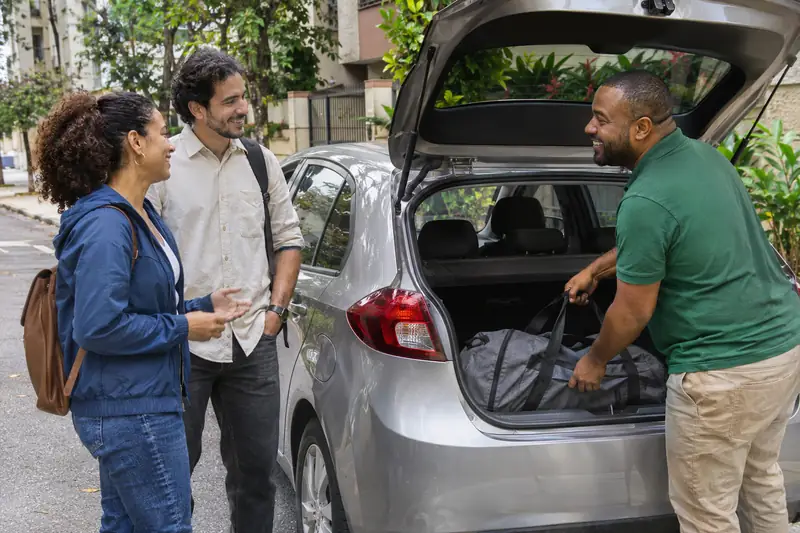
Buying a car together means that two or more people, such as friends, relatives or neighbours, purchase a vehicle jointly and share its costs and use. The arrangement lowers the price per person and can make a better car affordable, but it creates shared legal responsibilities. Before paying, the co-owners should agree on their shares, the booking of the car, the insurance and the way to leave or sell, and they should write it down in a short signed document that every co-owner keeps.
Reasons to buy a car together
The main reason is money. A car has high fixed costs, including purchase, insurance, tax, parking and depreciation. Divided between two or three people, those costs become more manageable, and each person can afford a vehicle that suits their needs better than a very cheap one.
Another reason is use. Many people drive a few hours each week, and the car stays idle the rest of the time. Sharing it between households with different schedules makes better use of the vehicle and reduces the number of cars parked in the street.
The arrangement suits neighbours, colleagues who live close to each other, relatives such as siblings or parents and adult children, and groups of friends who value the environmental benefits of owning fewer cars.
Choosing the co-owners and the car
Choose people you trust and whose habits are compatible with yours. Talk about how often each person will drive, which trips they have in mind, whether someone has children or pets and how they treat a vehicle. A person with a very different approach to money or cleanliness can become a problem.
Choose the car together. Reliability, running costs and size matter more than appearance. A reliable model with cheap parts and moderate consumption is a good base. Have the car inspected by an independent mechanic before purchase and check the service history, the mileage and the documents.
- Check that the seller is the registered owner.
- Ask for the technical inspection report.
- Test drive the car with all co-owners if possible.
Ownership shares and registration
Decide how the ownership is divided. Equal shares are the simplest, but unequal shares are possible if one person pays more or uses the car more. Put the shares in writing, with the amounts paid and the date.
Registration rules differ between countries. In some places, several names can appear on the registration document, in others only one person is the registered keeper, and the others rely on a private agreement. The registered keeper receives fines and official letters, and may be held responsible towards authorities. Ask the registration office or a lawyer how co-ownership is handled where you live.
If the car is registered in one name only, make a written co-ownership contract that states who owns what. Without it, the other co-owners could find it difficult to prove their rights if the registered person leaves, falls ill or dies.
Buying a car together: the agreement to sign
A written agreement is essential. It should identify the car, the owners and the shares. It should describe how the car is booked and used, who pays which costs, how repairs are decided and how the arrangement ends.
- The purchase price and how each person paid.
- The division of running costs and the method of payment.
- The booking system and priority rules.
- The decision process for repairs above a certain amount.
- The procedure for a co-owner who wants to leave.
- The valuation method and the order in which others may buy the share.
Have the document signed and dated by everyone, and keep a copy each. A short consultation with a lawyer is a modest cost compared with the risk of a dispute over a vehicle worth thousands.
Insurance for joint owners
Insurance is one of the most delicate points. The policy must reflect the real situation: who owns the car, who will drive it and where it will be kept. A policy that lists only one driver may not cover another co-owner.
Discuss the matter with the insurer and ask which names should appear on the contract. A common solution is to name one person as the policy holder and to add the others as drivers. Make sure that all drivers hold valid licences and that young or inexperienced drivers are declared, since they may affect the premium.
Decide who bears the excess and how a loss of the no-claims bonus will be handled. If an accident is caused by one co-owner, it is usual that the person pays the excess and that the group shares any increase in the premium, but write down what you choose.
Running costs and a common fund
A monthly contribution to a common account makes life simpler. Estimate the annual costs of insurance, tax, servicing, tyres, the technical inspection and a reserve for repairs, and divide by twelve. Each person pays according to their share, and fuel is paid by the driver or recorded in a log.
Review the budget each year. Prices change, and a car that ages needs more repairs. A reserve for unexpected costs prevents an argument when a large bill arrives.
Record all expenses with receipts and keep them in a shared folder or spreadsheet. Transparency protects the relationship between co-owners and helps to calculate the fair value of each person's share if one of them leaves or if the car is sold.
Booking and daily rules
Use a shared calendar and agree on a notice period. Give priority to work or medical needs, and rotate the weekends. Set limits on long trips and on lending the car to third parties, and decide whether a co-owner may take the car abroad.
Set standards for cleanliness, fuel level and reporting problems. A logbook in the glovebox allows each user to note the mileage, the fuel added and any faults. It also helps to show who was using the car at a given time.
If a co-owner moves away, the practicalities become harder. Define in advance what happens if a person lives too far to use the car, and whether they remain an owner or sell their share to the others.
Leaving, selling and changing the arrangement
Every co-ownership comes to an end. A co-owner may move, change job or simply prefer another solution. The agreement should explain how to give notice, how the value of the share is calculated and who has the right to buy it first.
A fair way to value the car is to use a published price guide or to ask a professional. Subtract any outstanding debt and divide according to the shares, adjusting for the reserve fund if one exists.
If no co-owner wants to buy the share, the car can be sold and the proceeds divided. Decide in advance who will advertise and negotiate, and how the sale price will be set. A clear exit process makes joint ownership attractive, since everyone knows they can leave without a conflict.