
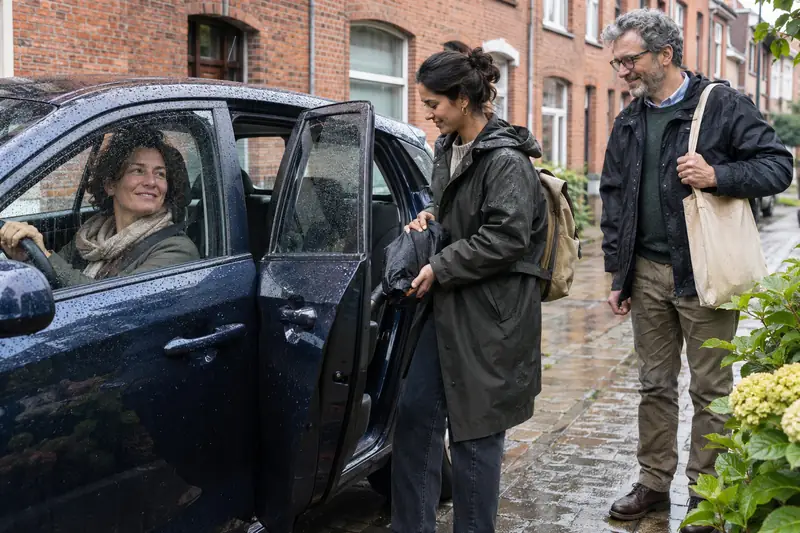
In Grenoble, car sharing between individuals means that a private owner makes a car available to neighbours, colleagues or visitors for a fee, usually through a booking platform or a written arrangement. The owner recovers part of the cost of a vehicle that spends most of the day parked, and the borrower gets a car for a few hours or days without buying one. In a city surrounded by mountains and well served by trams, the practice suits residents who only need a car for weekends, shopping trips or the ski season.
Why car sharing between individuals suits Grenoble
Grenoble sits in a basin at the meeting point of three valleys, and daily life in the centre is easy without a car: the tram network, a dense cycle network and a compact centre cover most journeys. Yet many households still want a vehicle for the mountains, for family visits or for work trips outside the metropolitan area.
Sharing a car between individuals answers exactly that gap. An owner who uses the vehicle for a commute on weekdays can lend it out in the evenings or at weekends. A resident who does not own a car can borrow one for a day in the Vercors, the Chartreuse or the Belledonne range without paying for year-round parking and insurance.
The city has also a long tradition of shared cars run by cooperatives, so the idea is familiar to many residents and students.
How an arrangement works from booking to return
Whether the car is shared through a platform or with a neighbour, the steps are similar and worth following in order.
- The owner describes the car, its mileage rules, the fuel policy and the daily price or the price per kilometre.
- The borrower sends a request with a copy of a valid driving licence and some identity checks.
- Both sides agree on the handover place, for example a car park near a tram stop, and note the fuel level and mileage.
- They take dated photos of the bodywork and the interior before the keys change hands.
- At the end of the trip they repeat the check and settle any extra distance or fuel.
Many cars now have a connected box, so the borrower can open the doors with a phone and the owner never needs to be present.
Insurance and responsibility when you lend a car in Grenoble
Insurance is the point most owners worry about, and it deserves attention before the first loan. A standard private policy often limits who may drive the car, so a casual loan to a stranger can leave a gap in cover.
Platforms usually add a policy for the duration of each rental, with a stated excess in the event of damage. Read the contract to see who pays the excess, what happens to the no-claims bonus and whether theft is covered.
- Tell your insurer in writing that you plan to lend the car regularly.
- Ask whether the platform policy replaces or complements yours.
- Keep the vehicle documents and the green card in the car.
- Check the borrower's licence and report any accident within the delay set by the contract.
Never assume that a friendly agreement without paperwork protects you after an accident.
Driving around Grenoble and the Alps with a shared car
Borrowers should know the local conditions before they pick up the keys. Grenoble has a low-emission zone for certain vehicles, so the Crit'Air sticker of the car matters, and the owner should say clearly which one the car carries.
In winter the surrounding departments apply mountain rules that require winter tyres or snow chains on many roads. A car without them may not be suitable for a trip to a resort such as Chamrousse or Les Deux Alpes, so ask the owner about the equipment before you book.
Parking in the centre is limited, which is why many shared cars wait in residential car parks. Agree who pays any parking fine or toll, and remember that motorway tolls on the way to Chambéry or Lyon are paid by the person at the wheel.
How to set a fair price for a shared car
A good price covers the real cost of using the car and leaves a small margin for wear. Start with what the vehicle costs each year: insurance, servicing, tyres, depreciation and parking. Divide it by the number of days you expect to lend it and add a charge for distance so that long trips do not penalise you.
A borrower should compare the total with a short rental from a traditional agency and with a cooperative car-sharing subscription. If the shared car is not cheaper or more convenient, there is little reason to choose it.
Platforms generally keep a commission on each booking, so the sum paid by the borrower is higher than the sum the owner receives. Check this split before you publish an advertisement and decide whether a deposit is needed.
Taxes and records for owners who earn from a shared car
Money received for lending a car is income, even when it only covers costs. Owners who earn regularly should keep a simple record of each booking, the amount received and the expenses linked to the car.
Platforms often send an annual summary, which helps when you fill in your tax return. The rules differ according to the amount and the frequency of the loans, so it is wise to check them on the tax administration's pages or with an accountant before you rely on a particular treatment.
- Keep invoices for servicing, repairs and tyres.
- Note the dates and distances of each loan.
- Do not mix the deposit paid by a borrower with income unless it is kept.
Occasional cost-sharing between friends is a different matter and generally follows the logic of reimbursing expenses.
Common mistakes to avoid before the first loan
Most problems come from skipping small steps. Owners forget to photograph the car, accept a licence they have not checked or fail to say that the vehicle has a quirk, such as a heavy clutch or a warning light that is harmless. Borrowers, for their part, return the car dirty, with an empty tank or after the agreed time.
- Write down the rules for fuel, cleaning, smoking and pets.
- Agree the mileage allowance and the price of extra kilometres.
- Decide in advance who handles fines received after the loan.
- Keep messages and bookings in one place so that a dispute can be settled with evidence.
A clear rulebook of half a page, signed or accepted by both parties, prevents most arguments.
Seasonal needs: winter weekends and summer trips
Demand for a shared car in the Grenoble area follows the seasons. In winter, borrowers look for vehicles that can reach ski resorts, with four-wheel drive or at least proper winter tyres, and weekends fill up quickly. In summer the same people want a car for hiking trailheads, lakes and day trips to Annecy or the Drôme, where public transport is thinner.
Owners can adapt to this rhythm by publishing their calendar early, by raising the daily rate slightly when demand is high and by keeping the car clean and equipped with a roof box or chains if they own them.
Borrowers should book several weeks ahead for holiday periods and confirm the pick-up time, because arriving late after a day on the slopes is a common cause of friction. A short message the day before, with the exact meeting point, makes the handover smooth for everyone.
A car that is returned with a full tank and dry mats will usually earn a good review on the platform.
Organisations offering shared cars in Grenoble
- Citiz : A cooperative network of shared cars with local operators, including one serving Grenoble and its surroundings.
- Getaround : A platform where individuals rent out their cars and others open them with a smartphone.
- Ubeeqo : A service of shared cars in car parks and stations that complements private loans for short trips.
Further reading
- UFC-Que Choisir : An independent consumer association with guides on car rental, insurance and borrowers' rights.